
The Greatest Love

A Rolling Stone Sings of God’s Love || Warren Rachele

[Originally published in the Times-News during the Time of Covid, 2020]

The most familiar verse in the Bible reads “For God so loved the world, that he gave his only Son, that whoever believes in him should not perish but have eternal life.” Jesus says this to a man who is trying to understand the Messiah. He went on to describe his mission in the next sentence, “For God did not send his Son into the world to condemn the world, but in order that the world might be saved through him.” Life and love are the essence of Easter.
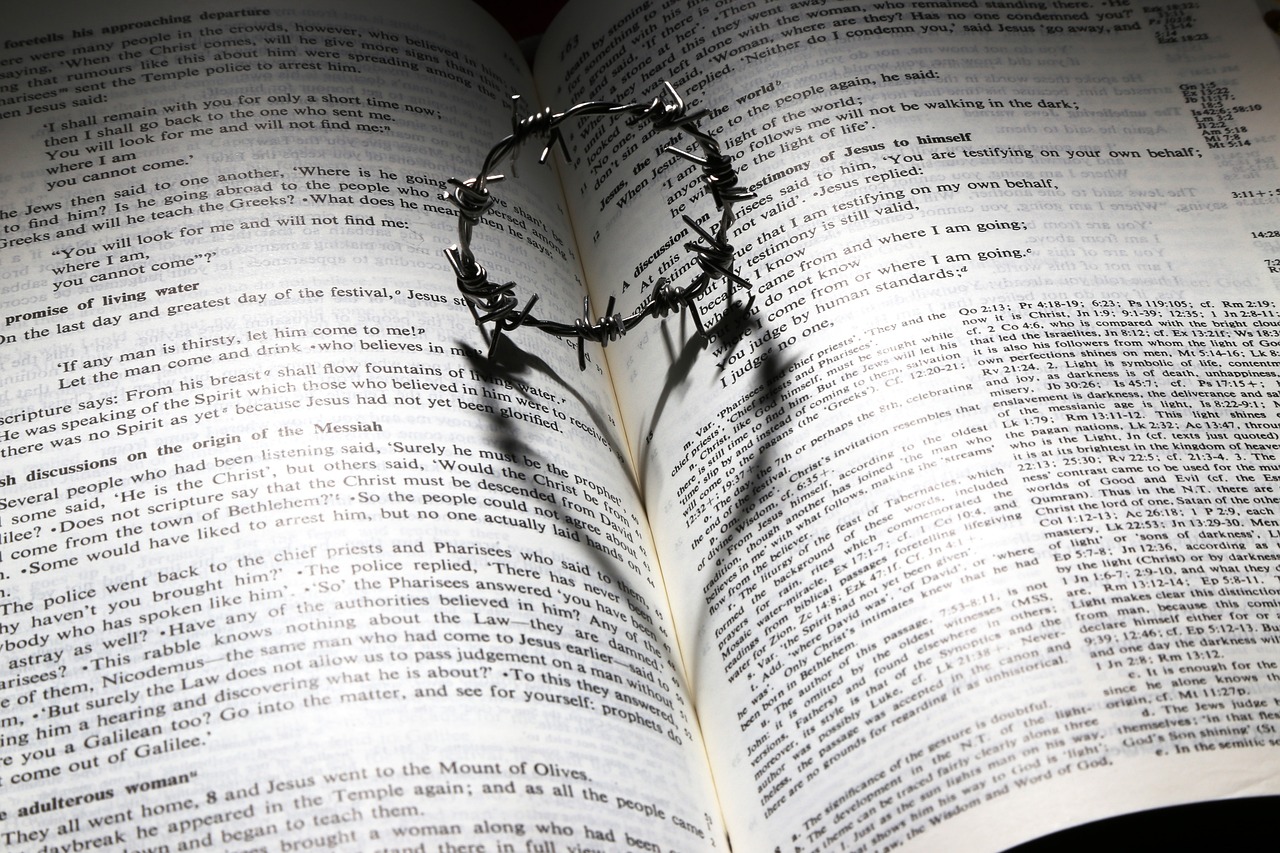
When Jesus said these memorable words, his crucifixion was still some distance in the future and the way God would ‘give’ the son still a mystery. The degree of sacrificial love that motivated the gift, however, was not. The two letters of ‘so’ describe the great extent to which God loved the creation and all in it. The love would not be measured in a blanket forgiveness and not in requiring the rebellious humans to earn it. Instead, the promise of forgiveness and salvation would be fulfilled by one perfect sacrifice, a sacrifice that was pure and unblemished, a sacrifice that human effort could not attain. The price of redemption would be the life of the Son of God, the Messiah Jesus.

The love of Easter is not merely an emotion. Emotional love is subject to change, it can be influenced by circumstance, it can be lost in an instant.  The love that God has for his creation is none of those things. It is a facet of his character, a state of being. God’s love for the world is unchanging and unwavering. It cannot be earned nor can any human action result in its termination. The measure of this love is nearly beyond human ability to understand. Despite this, the full measure of God’s love is seen in the most horrific act in history, the crucifixion the Messiah Jesus.

How is this love? The rebellion of humanity in the earliest days of history create a chasm between creator and creation so wide that it cannot be bridged by any human effort. God, loving the world and its inhabitants so deeply, longs to close this divide, to be united in peace once again. He knows that without action on his part, his creatures are lost. In their pitiful state they cannot make restitution or pay a sufficient penalty, and try as they might humanity can never leap, fly, swim or find any way of transporting themselves to the other side. If this dark expanse is to be crossed, it will have to be done by God himself.

The paradox of the good news is that God, in the depths of his love, takes it upon himself to pay this penalty owed by humankind. His holy nature does not permit the option of dismissing the charges, a penalty is due in equal measure to that holiness. No human work can make a dent in that debt and so, out of an immeasurable love, God sends His Son to be the payment for the debt. The sobering truth in that good news? The debt could only be satisfied by sacrifice, the blood of Jesus on the cross paying the cost in full.

This ‘giving of his son’ would become the measure by which love is measured. As the cross grew nearer, Jesus described its heights, the personal challenge for his followers, telling them that “Greater love has no one than this, that someone lay down his life for his friends.” More than a challenge, his followers realized the judicial change that would be brought about, they would be friends and no longer enemies of God. The gulf would be bridged and the lost would be able to make their way home.

If it ended at the cross, this love would be unmatched. God had a higher expression of love to give though. The debt paid on the cross became the new life of Easter morning when the Messiah rose from the tomb. The perfect judge who paid the penalty himself rose as he had assured, condemnation behind and new life in full ahead. Easter became two parts of the same story, horror and celebration, mourning and joy. The rise of the sun on Easter morning brings all the promises of the Savior to light. Forgiveness came through the cross for those who would believe. For his friends, Jesus’ death became life in full. No greater love has ever been shown, nor will it be again. The love of Easter assures us of that.

Joy Comes in the [Easter] Morning

Joy Rises with the Easter Sunrise || Warren Rachele

[Originally published in the Times-News during the Time of Covid, 2020]

Easter is a holiday marked by stark contrasts. The pastel pinks and sunny yellows of the springtime celebration feel out of place against the deep crimson and shadows of Good Friday. The sadness, despair and horror of the passion of Jesus give way to the elated celebration of Resurrection Sunday. Happiness and joy have similar contrast, though they are often spoken of as having the same meaning. The happiness of a beautiful Easter sunrise can be swept away by a snowstorm the following Monday. In contrast, joy that is anchored in the Easter miracle is lifelong and stands up to these storms of life. Americans are fond of quoting the Declaration’s promise regarding the “pursuit of happiness”, recognizing the ongoing desire of the heart but also, the elusive, sometimes fleeting nature of that emotion. What people really want, even if they can’t put it into words, is joy. Joy that is not easily stripped away and this is the joy of Easter, the joy of Grace.

If a poll were taken, the results would probably show that everyone wants to be happy. People throughout history have chased happiness in countless forms. Some find it in things, some find it in experiences and others still find happiness in relationships. But once found, can happiness be kept? Can this emotion be protected from the changes in life or are people looking for the wrong thing? Perhaps, rather than settling for momentary happiness, what their heart needs is the state of being joyful.

In our talking with one another people often use the words happiness and joy to mean the same thing. Though similar, feelings of happiness are generally controlled by what’s going on in life at any moment. If things are going great, happiness follows. If things take a turn and troubles become the norm, happiness can fade quickly into unhappiness. The heart wants something more stable, something that is not bound to the way things appear at any given moment. The heart wants joy.

The heart wants joy because it’s a windbreak against the storms of life; the storm will still pass over, but its effect will be less severe. Joy is anchored to a foundation of long-term contentment. The foundation results from having faith in something unchanged by day to day circumstances. A person who has this faith faces the darkest of dark moments and says, “this too shall pass.” Joy is built on this faith. Joy rests on belief that even if a storm doesn’t pass anytime soon, there is still confidence in the solid rock on which it stands. People who have joy trust in the way things are going to work themselves out.

Easter lays the foundation for people to know joy. Understanding Easter begins with the contrast of Good Friday and Easter Sunday. Jesus was crucified on Good Friday and it appeared that all the evil of the world had been revealed in that moment. The crucifixion gave the appearance that all hope was lost to even his closest followers. The happiness they felt from the promises they had seen in him was swept away. In their sadness they scattered, each looking for a new way to be happy again.

When Jesus rose on that Sunday morning, joy rose with him. His unhappy followers were the first to discover the truth of joyfulness. They learned that what had appeared to be defeat and snatched their happiness was something far greater, something eternal. Jesus was restored to life and he put all the momentary promises into the perspective of history. His followers were given an intimate demonstration of the contrasting natures of happiness and joy. While things might’ve been dark for a moment in their lives, the eternal promises of redemption assured their joy in both the rain and the sunshine.

The promise of joy is as true today as it ever has been. The joy of Easter is woven into the promise of redemption, of all things being made right. Jesus is the centerpiece of things being made right, his death making it possible for the restoration to proceed. The empty grave of Easter morning assures us that restoration is proceeding as planned. Joy, indivisibly welded to that truth, sustains through a day or two of trouble or a thousand nights of darkness. Happiness is fragile and positive thinking might maintain it for a day or a week, but if there is not the peace of deep-held joy, happiness will eventually turn to sadness. The deepest, darkest red of the crucifixion cannot strip the joy of belief that the bright sun of everything being made right is held in place by the eternal promises of Easter morning.

Reverend Warren Rachele is the pastor of Hope Community Church in Paul, Idaho.

A Hope For Easter

[Originally published in the Times-News in the Time of Covid, 2020]

Hope is an optimistic outlook that is tested every single day. Hope sustains people and gives meaning to life. Hope, true hope, is not wishful thinking. Rather, it is a trust based on unchanging truth and this hope will not falter. This is the hope that accompanies the first glimmer of sunrise on Easter morning.

For the groups big and small that had followed Jesus into Jerusalem in the week of his passion, the crucifixion gave the sense that all hope was lost. The Messiah was dead and destined for a borrowed tomb. His followers, no doubt recounting the many thoughts they held about him, didn’t know what to believe. The hope of many of these followers turned out to be little more than wishful thinking when the Messiah Jesus did not fulfill their preconceived notions. Doubt plagued them and hopelessness crushed them.

 When the sun broke the darkness on Easter morning and a tiny group of his followers approached the tomb, hope was reignited. Jesus was not in the tomb, an angelic agent giving the incredible news that the Lord had risen. Hope had risen. Not hope that was based on wishful thinking or far-fetched scenarios but hope that was now anchored to eternal promises and unbreakable. This was the hope of Easter.

The hopelessness that plagues our world today, especially among the vulnerable young, is caused by hope in things that are temporary, things that are change by the next day or the next hour. The betrayal of a friend or the bullying of the crowd, not enough likes for the last picture that was posted or any number of other here-today-and-gone-tomorrow things that people believe will give meaning to their life. Each fails and hope slips further away, turning out to be no hope at all.

The hope that rises on Easter morning is rooted in the eternal, making it the antidote to hopelessness. Jesus rising on that Sunday morning was a promise made and a promise kept reaching all the way back to the earliest days of human history. Rebellion against God had created deep, wide gulf separating him from humankind. God knew that those who bore his image would be forever lost unless he bridged that gap. The perfect holiness on one side of the gulf required his sacrifice to create a bridge to the other side. No sooner had rebellion entered the world than God promised that he would make a way for the two to be together again. Jesus was that eternal promise fulfilled. Redemption and restoration began and hope was the result.

The hope of Easter morning has no expiration date nor is it limited to a certain group of people. It is eternal and available to all people. The foundation of hope formed by the promise made and the promise kept gives a solid footing. The promise that everything would be set right was made in the beginning of history, fulfilled early in the first century and stretches into eternity. It is this unending nature that makes the resulting hope unique. The ephemeral things that people often attach their hope to disappoint because they are just that, anchored in little and threatened by the west wind. When hope is followed by this disappointment time after time, it reveals itself to be untrustworthy. A lift of the eyes and one finds the superior hope of new life, the hope of Easter.

Hope anchored in the promise of redemption and restoration sustains through the temporary ups and downs of life in this world. The daily news of pandemic and the enormous personal costs being counted reveal shallow hopes in countless ways. Money that was counted on suddenly disappears. Plans made are abruptly canceled. If hope is tied to such easily changing things then it’s really no hope at all.

The hope revealed in the sunrise and the empty tomb of Easter morning does not change nor waiver. It is a hope that is untouched by the crisis of today or the sorrow of tomorrow. Hope resting on the foundation of eternity is the source of inner strength that have carried many over the bumps and challenges of life. It is this hope that enabled Beethoven to compose the Ode to Joy even as deafness stole his hearing. Eternal hope carried Abraham Lincoln from total poverty to the presidency. Rosa Parks, steeled in her resolve by the promise of eternal hope, ignited the press for civil rights for all. The hope of the empty grave is the hope that transcends any of the countless challenges people will face in this life. This is hope for all. This is the hope of Easter.

Reverend Warren Rachele is the pastor of Hope Community Church in Paul, Idaho. © 2020 Warren Rachele

Sacrifice Your Soul

Nearly one full week of this glorious Lenten season has passed and many feel the pangs from the sacrifice of chocolate or television but what of those who have sacrificed their life, the control of their soul given fully to the King of Kings. Isaiah speaks of the sacrifice of Christ, the King James version best translating the Hebrew word for soul where the NIV and others insert life:

Yet it pleased the LORD to bruise him; he hath put him to grief: when thou shalt make his soul an offering for sin, he shall see his seed, he shall prolong his days, and the pleasure of the LORD shall prosper in his hand. (Isa 53:10)

The sacrifice of the soul was damnation and yet He gave of it joyfully, trusting fully in the Father’s divine plan. Brothers and sisters, we too must give of ourselves all the way down to our soul. We often give of our time, our treasure, our bodies even but we protect our soul, preferring to keep it under our own control. Release it! Trust in the Father and the sacrifice of the Lord. We have nothing to lose and the Kingdom to give. As we move towards the Cross and the Resurrection, give up not your feasting but the control of your soul to the Father. He will raise us all up in the end.