The Blue Parakeet ~ Women in Ministry 1

BPkeet

To conclude his analysis of how we read and apply the Bible to our lives, Scot McKnight closes The Blue Parakeet with a case study involving the contentious issue of women in ministry. The discussions and arguments surrounding the issue and the manner in which the church puts its beliefs into practice are an excellent subject for analyzing our process of discernment. How has our particular church or denomination come to its position on whether or not a woman can be called to the position of Senior Pastor or even another role in which she would have leadership over men? Is Paul the final word on women’s roles or is there a bigger picture when the issue is considered in light of the whole of Scripture? We must finally ask ourselves whether or not this is an application of that was then, this is now?

Throughout history, women are culturally labeled as inferior to men. Because the scriptures provide a view of a wide swath of history and because men are the authors of these books, one can get the impression that the dominant patriarchal view on the pages is a reflection of the societal opinions through time. These ideas combined become the lens through which the church reads the bible and then fossilizes the idea of the subordinate woman in church tradition. McKnight guides the discussion that follows in the remaining chapters with this key question, “Do we seek to retrieve that cultural world and those cultural expressions, or do we live the same gospel in a different way in a different day?”

In our times there are three broad views that direct how we engage this issue and, more often than not, we will find our thinking in one of these categories. It is not enough however, to identify your thoughts in a theological context. Because of their importance, a believer who intends to apply the Bible to all of the various aspects of life must do the spade work of understanding how we come to the beliefs that we hold. On the issue of female leadership it is especially important because our decisions can have a negative effect on a fellow sojourner.

The three views that we often encounter are:

Hard Patriarchy

The biblical context and it teaching are God’s original and permanent design a woman’s responsibility is to glorify God, love Him and her husband and children and others. She must submit to her husband and never seek a role that places her in leadership over him. God ordained men to be leaders. Period.

Soft Patriarchy

We are called to find a living analogy in our Western, 21st century context to the teachings of the Bible. This examination is to include gender roles. This system allows a bit more freedom in pursuing leadership outside of the home but she shall never be placed in a church leadership role over men, including the calling of Senior Pastor.

Mutuality View

This view taps into the oneness-otherness-oneness restoration theme that arrives with the Lord Jesus. The Bible story is cultural and the teachings reflect the culture. Because Jesus restores our oneness, we must rely on the Holy Spirit to guide our understanding of what God has called a woman to do and this possibility must include consideration of her calling to the Senior Pastor role.

Where do you stand?

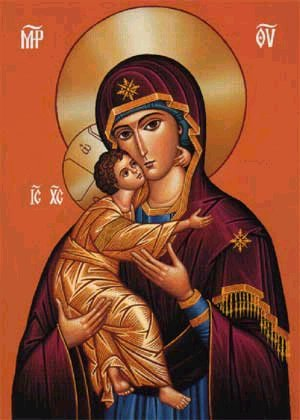
A Child Is Born

The greatest gift has been given once and for all time in Jesus Christ. As it says in Mt 7:9-10, the Good Father knows the gifts we need and truly desire deep down in our hearts and will give us nothing else. When our greatest need was for a savior, that is exactly what he provided.

Merry Christmas

Psalm 21 ~ The King Trusts the Lord

There is an important faith concept in Psalm 21 that is easily missed, the idea of giving thanks in advance. Human nature often moves us to live in anticipation of something and then we give thanks when it is received. The logic is pure and simple; why give thanks for something not received? On the other, do we not give thanks to God in advance because our trust is weak?

For the king trusts in the Lord; through the unfailing love of the Most High he will not be shaken. (v 7)

This psalm is paired with Psalm 20 as the prayer intercedes on behalf of the king so that as the leader is successful, the king’s people will be blessed as well. It is not a historical record, rather, the expressions of trust and belief and gratitude precede the battle or other travail and they demonstrate a faith rooted in the belief that the outcome will be positive. In other words, the prayer does not follow a demonstration of God’s faithfulness, it anticipates it. As we approach the day of Christmas we would do well to search our own hearts to see if we have developed this same attitude.

Fourth Sunday in Advent – Micah and Mary

image In logical ordering of the world God created, the darkness must precede the light. We must endure the night to know the sunrise and warmth of a new day. This ordering extends to the extension of God’s mercy; our repentance leads to the light of the Lord’s mercy. Reading the words of the prophet Micah paints a vivid picture of this contrast. The Lord rebukes his children and follows it with the promises of mercy to be received by those who turn away from their sin. The greatest promise is a featured part of the Advent tradition,

But you, Bethlehem Ephrathah, though you are small among the clans of Judah, out of you will come for me one who will be ruler over Israel, whose origins are from of old, from ancient times. (v 5:2)

Mary too knew the sweet longing of anticipation. Carrying the precious gift she bore closer and closer to His birth, Mary was overwhelmed at the change that was about to take place in the world. She was perhaps at a point similar to those moments just before the crown of the sun breaks the horizon, when the purples mix with the deep blue and black of the night sky and the sliver of light pushes the sphere of darkness to the west; though many weeks would still pass the day of the birth of the Lord was nearer than farther! Her heart sang,

My soul glorifies the Lord and my spirit rejoices in God my Savior, for he has been mindful of the humble state of his servant. From now on all generations will call me blessed, for the Mighty One has done great things for me—holy is His name. (Lk vv 1:46b-49)

The day is near for us as well, rejoice for Immanuel!

Advent Benediction ~ The Song of Mary

image Rejoice in the presence of the Lord, may His face shine upon you.

May you walk in anticipation of the promise kept,

and may you fall to your knees in humility and repentance.


May you join with your sister Mary and your soul glorify the Lord, your savior.

I pray that you will be known as people of mercy as the Lord works through you

and that you will give to others the same love that He has given to you.


May you remember to be merciful, humble, and faithful,

even when you face uncertainty as Mary did.

May you trust in Him as His ways are perfect.

Amen

Blue Parakeet 8

BPkeet

If you have been following this series on Scot McKnight’s book The Blue Parakeet or just read the book, you will have arrived at the self-analytical conclusion that you and I don’t do everything the Bible says to do. We don’t do this out of any lack of love for God or simple disobedience, rather, we have read, analyzed, and in light of the traditions that surround us, we have decided which of the hundreds of commands apply to us and which were intended for application in another era. This is the practice of discernment.

Discernment answers the question, why do I not do what the Bible teaches? Each of us within the context of our church community and tradition approaches the answer to this question in different ways. We take God’s word in the light of the Spirit and the context of our immediate community and we hear Him speak to us in our way in our day. The conclusions that we reach and the way that we apply those conclusions reflect the best way in which we understand that God wants us to live out the gospel in our moment. There are dangers associated with this that become evident in practice. Cultic or abhorrent practices can result from individual discernment that does not take into consideration the long held traditions and beliefs that have guided the Church for centuries and that result in ‘new revelations’ counter-cultural to the Church as a whole.

Discernment is a messy process. Many modern controversies demand that we return again and again to the Bible and then prayerfully seek the Spirit’s guidance in how to understand and apply the truths that we find there. The church will decide countless matters that have profound effect on the life of the community. For example, will women preach and teach on Sunday and how will gay and lesbian followers participate in the life of the body. The remaining chapters of Blue Parakeet will address on particularly contentious issue within the body, women’s place in the ministry of the church but the pattern of discernment that McKnight highlights are applicable to numerous other issues. Let’s take a look at one, glossalalia.

 image 

What facts can we begin our examination with? The early Christians spoke in tongues (Acts 2), Paul spoke in tongues quite a bit (1 Cor 14:18) and Christians throughout history  have received the gift of tongues. BUT, because the gift and practice have been limited in their scope to some smaller pockets of the body, a pattern of discernment arose that said that tongues are not for today, they were a sign gift for the first century alone. In spite of this, the Pentecostal movement of the early twentieth century, the charismatic believers and even the Vineyard churches have demonstrated a different pattern of discernment than the rest of the Church saying, ‘that was for then and it is also for now.’

Some with a narrow pattern of discernment will challenge this understanding and yet, the evidence of this practice is difficult to dispute. Is there something in our immediate context that forms our pattern of discernment such that we are unable to accept a truth that others have embraced? McKnight suggests in this example that those who grow up in a body where speaking in tongues is accepted are more likely to receive the gift while others with less experience continue to view it as foreign. Our context affects our interpretation and our discernment and because we have numerous unique traditions and practices to which we have become accustomed we should be cognizant of this fact, not only for ourselves but for understanding others as well.

Psalm 20 ~ Pray for the King

Psalm 20 reminds us of an often neglected responsibility for disciples of the Savior, to pray for our leaders (1 Tim 2:1-4). Whether you may have voted for a leader or find yourself in opposition, the Christian is called to exercise his or her intercessory moments and seek wisdom, guidance, and protection for the authorities recognizing all the while that God’s providence directs the course of history. This psalm was used to seek these God given tools for the king before he went out to war and can offer the same things to a current leader who faces an immensely complex world.

May the Lord answer you when you are in distress; may the name of the God of Jacob protect you.

May he send you help from the sanctuary and grant you support from Zion.

May he remember all your sacrifices and accept your burnt offerings. (vv 1-3)

The psalmist takes an interesting turn in his form in verse six. In exuberance, a liturgist proclaims loudly the truth of the psalm’s words, bursting forth with a proclamation of assurance for the effectual nature of the believers prayer. Our modern prayers can lead us to the same confidence if we approach them fervently and humbly, confident in God’s course and not insistent on our own ways.

Now I know that the Lord saves his anointed; he answers him from his holy heaven with the saving power of his right hand.

Some trust in chariots and some in horses, but we trust in the name of the Lord our God.

They are brought to their knees and fall, but we rise up and stand firm. (vv 6-8)

Third Sunday in Advent with Micah – Restoration

image

Israel longed for the promise of being made whole again after their internal corruption had ripped them asunder. Micah brought this promise to them but also reminded them that they must remain in the crucible a bit longer in order to reach the necessary purity.

I will surely gather all of you, O Jacob; I will surely bring together the remnant of Israel.

I will bring them together like sheep in a pen, like a flock in its pasture; the place will throng with people. (v 2:12)

No matter what our personal situation may reflect now, the anticipation of the birth of Jesus kindles hope within us of a personal restoration. His gift of the Holy Spirit can gather our fractured souls together and restore us to what God had intended for us to be. We won’t be perfect, not in this lifetime but when we are all gathered home. . . that is a gift worth receiving.

Our thoughts in this season must move beyond this personal gift and extend it to others. When we become a part of a single body we move together as the representative of the Savior on earth. We become this face of restoration as we bind up the broken and invite them into the sheepfold to enjoy the love of their Restorer.