
Rethinking the Divine Conspiracy
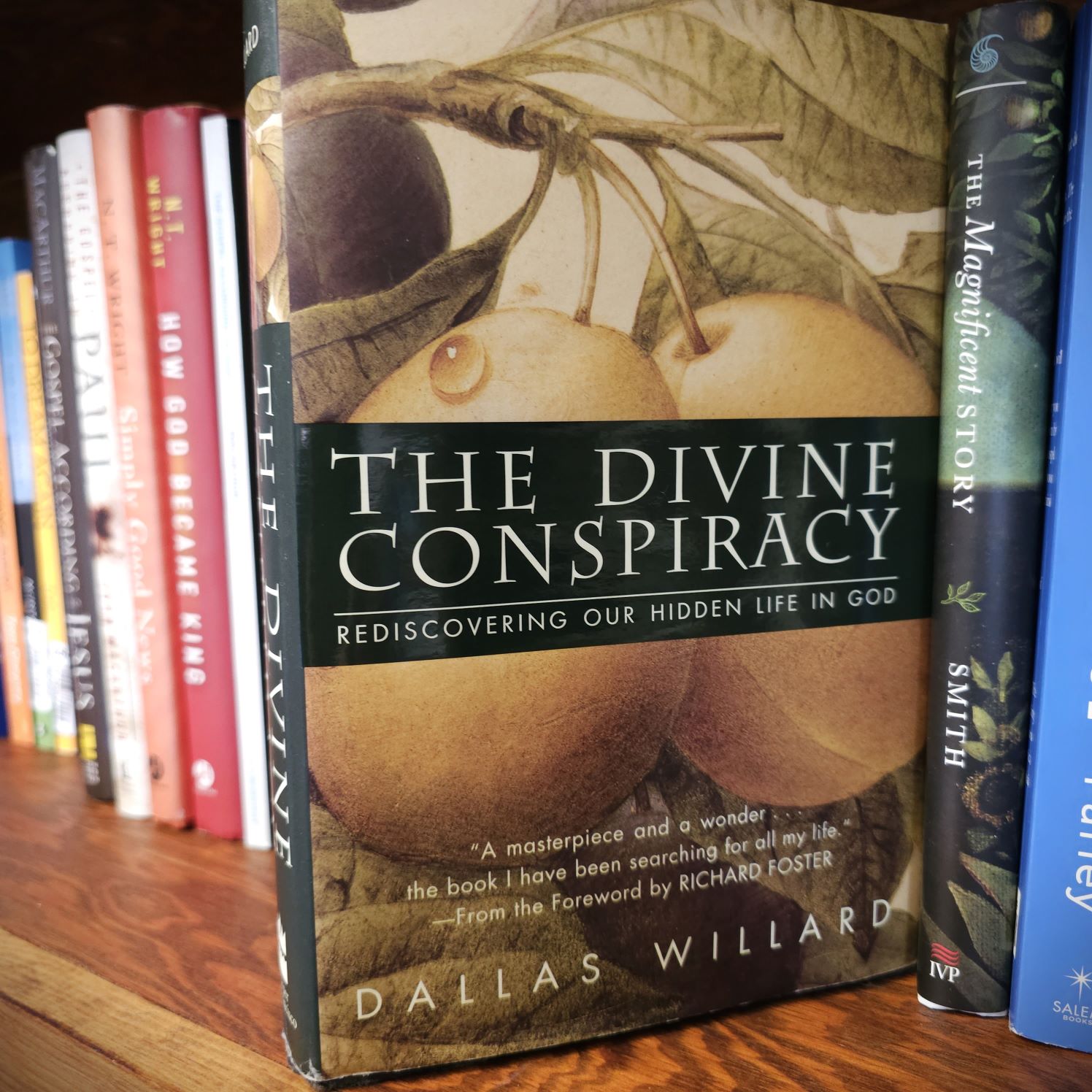
I recently took The Divine Conspiracy off my shelf to look up a reference for a project I was working on. I read the paragraphs I was searching for, then the surrounding pages, and then the full chapter—context, of course—and to my delight, I found a new book in my hands. Captivated by Willard, I reread the book in its entirety, and found that it was not the same volume I had read better than twenty years ago. Had the text changed in the shelf-bound years? Obviously not. Rather, as Heraclitus once opined, I was not the same person. I wonder now, what other wisdom awaits on these shelves?
“No man ever steps in the same river twice, for it’s not the same river and he is not the same man.”
Heraclitus
Reading anything more than once today is a radical idea. The firehose of electronic communication, our ever-growing to-be-read piles of books (nearly 100 as I look over) and our bias toward the new makes the practice of rereading the stuff of fantasy. This may or may not be an accurate observation, but, if it is, we’re poorer for it. As the philosopher said, we are not the same people when we return to a book 20 years later, let alone two weeks later. Our thinking affected by what we read, we have lived life in the intervening period. To return to an author’s work is to have tested their theses, applied their suggestions, lived their propositions or, to the contrary, ignored them altogether. Either way, we’re now able to agree or disagree, take out our pencils and argue in the margins, perhaps even decide to remove the book from our library.
“Master those books you have. Read them thoroughly. Bathe in them until they saturate you. Read and reread them…digest them. Let them go into your very self.”
Charles Spurgeon
Willard’s book was one of many that I have reread a second and third time in the past couple of years. When I first read it, I found it difficult to understand and, fitting my level of spiritual maturity, I couldn’t apply it. The reading process for me was to read it, say that I had read it and watch the dust cover spine fade on my bookshelf. I knew the book was important—because my seminary professors told me it was—but it was not important to me. I had no ability to interact deeply with Willard’s vision of our participation in The Kingdom Among Us.
Two decades later, however, the prose that I had once merely consumed was now something to be savored. I aligned with the author’s views on the kingdom gospel. I had wrestled with the biblical texts he referred to, built up the stamina and muscles needed to hold most of the points of his discussion in mind as I worked to understand his conclusions. I was a more mature disciple now, ready for the meat, having grown on the milk of my earlier years. No longer was I the same person who opened the cover and I am, even now, a different person, having reread the book again before returning to its spot amongst the others occupying the shelf.
For the past few years, I’ve made it an annual tradition to publish my reading list from the previous year. These lists have averaged around 90 books each, with an increasing number of rereads a part of those lists. The value of rereading is tempering my pace thus far in the current year as I slow down to interact more with the authors and their ideas. Marginalia and pencil lines are more common now, as are literature notes and summaries in Evernote. Fewer and better seems to be my new reading style, trading a high book count for a more engaged interaction with books of value.
Many a thoughtful reading has shed new light on other older volumes. Time spent with John Franke and Darrell Guder opened up my older books by Roxborough and Hirsch for me; Scot McKnight brought Jeff Vanderstelt off the shelf for a gospel conversation. Growing spiritual maturity and a developing recall of what I’ve read spur on this relational cycle of growth. The flood of published books urges us to consume and shelve, but is this rapid turnover leaving us undernourished? Might we grow more by an intentionally slower style of rereading and engaging? Let me study the question some more.
 LOVE | ACCEPT | FORGIVE