In the final pair of chapters in The Real Mary, McKnight leads Protestants to understand the Roman Catholic traditions regarding The Virgin and the ways in  which these beliefs become divisive. Especially in this last chapter, he cautions the evangelical who is uncomfortable at some Catholic practice to differentiate between the Church’s actual teaching and its application. It’s here then that we face the traditions that have formed around Mary that appear to have drifted into the worship of Mary.
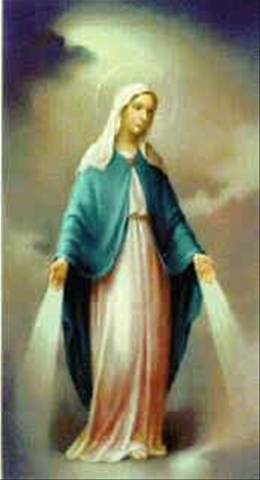
The evangelical who investigates the traditions surrounding Mary finds that Catholic tradition is often developed to fill the silences of the Bible. In response to theological question regarding the absence of Original Sin in Jesus, born of the human Mary, Catholicism develops the position of immaculate conception. If one adheres to this position, Mary is sinless and therefore not subject to the ravages of human life like aging, disease, and death. To explain her movement from earth to heaven without suffering death, the tradition of the glorious assumption develops. On both the Bible is silent but theological questions demand answers and the Catholic theologians responded.
Mary as mediatrix is one of the more threatening positions standing between the evangelical and the Catholic. Much of this schism is rooted in a lack of understanding on the part of the Catholic laity who fail to explain their prayers to saints correctly. The Church’s position is founded on a much more active belief in the communion of the Body. The Catholic view enlivens the saints in their heavenly abode and is not hesitant to ask them for prayer, much as the evangelical asks their friends and family for intercession. Mary, being among the saints in heaven, is asked for her intercession. Nothing more.
To those who spend time constructing and researching things theological, each of these positions that the Roman Catholic church has taken makes sense. The danger in these positions lies in their transference to the laity who don’t take the time to deconstruct and carefully explain the foundations as each becomes tradition. The dangerous precipice of tradition is that it can easily tip into worship and adoration of Mary, elevating her to a fourth position in the Trinity. Teaching says that Mary is not to be worshipped nor adored, tradition often veers otherwise.
As for Mary’s miraculous appearance in a piece of cheese toast? We’ll leave that for another day but ask the same question. Does such an appearance honor the Real Mary, whose words “may it be to me as you have said” inspire us also to live in reverent obedience?







 LOVE | ACCEPT | FORGIVE
