
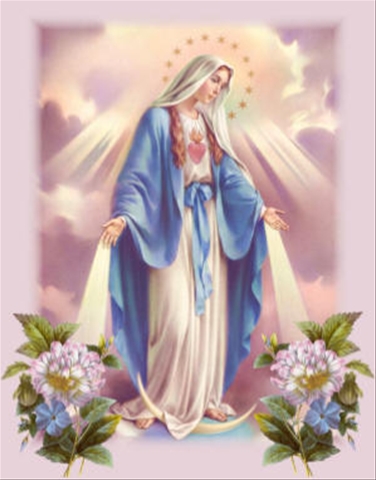
 Calling Mary the Mother of God is enough in some evangelical circles to start a division of fellowship that may never be repaired. This seemingly innocent title has a logical basis that cannot be impugned. Mary gave birth to Jesus, Jesus is God, ipso facto, Mary is the Mother of God. Why then does a statement such as this raise such ire? For the answer, the evangelical body must face the dichotomy of Mary: the Mary of the New Testament and the Mary of Roman Catholic sacred tradition. The last section of Scot McKnight’s book help us to briefly survey these differences and face them fairly.
The greatest difference in how evangelicals and Catholics devise their Maryology comes down to sola scriptura. While the evangelical necessarily limits their view of Mary to what appears in the canonized scriptures, the Roman Catholic view is developed through a combination of scripture and sacred tradition. Further, it’s important to note that Catholic sacred tradition is ongoing in its development and subject to modification over time as each revelation unfolds new ways of looking at Mary.
Beliefs such as Mary’s sinlessness, perpetual virginity, and appearance in Revelation 12 divide the traditions but should they also divide fellowship? Evangelical positions on these issues often attribute the Catholic belief to nothing more than pure fantasy evolved from an incorrect veneration of the Holy Mother. This is a wholly uncharitable view of the theological basis that undergirds the Catholic position and makes the holder appear religiously bigoted and uninformed. It also causes us to be challenged in our own Bible scholarship. Why is it, for example, that we read words such as “brothers and sisters” and others see “cousins” or “relatives”? Are we equally trusting in our own tradition to understand the meaning of the words or have we done the necessary Greek translation, cross referencing the semantic domains in Louw-Nida to come to our conclusions?
Neither McKnight nor myself argues for the adoption of the Catholic position, only the need for a better understanding of how such tradition-based beliefs have developed through the history of the Church. By removing the fractiousness from Mary caused by the divide, the evangelical experience is enriched as we are free to see the important role that she plays in the life of the Savior and in God’s history of His world. Is that such a bad thing?
 LOVE | ACCEPT | FORGIVE